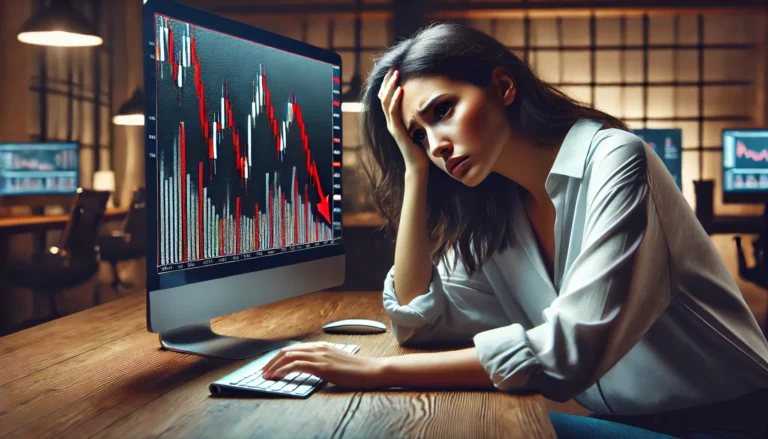
Rejected Trades on Demo can be a frustrating experience for traders. Understanding the problem and applying effective solutions can lead to better trading outcomes.
In the world of Forex trading, many newcomers and experienced traders alike face a frustrating issue known as rejected trades. This problem can lead to missed opportunities and financial losses. Understanding why a trade is rejected on the demo account is crucial for both beginners and professionals. It helps traders make informed decisions and refine their strategies.
Traders often struggle with rejected trades due to a lack of knowledge about order types, market conditions, and broker rules. These factors can cause confusion and frustration. By understanding the problem, traders can better navigate the Forex market and avoid future pitfalls.
On balance volume meaning refers to a technical analysis tool that measures buying and selling pressure. This can help traders make better decisions. For further details, check this on balance volume meaning.
Understanding the Problem
Rejected trades on demo accounts occur when a trader attempts to execute a trade, but the broker’s system does not process it. This can happen for various reasons, including insufficient funds, market volatility, or incorrect order types. For example, imagine a trader wanting to buy 1000 units of EUR/USD. If the account balance is too low to cover the margin requirement, the trade will be rejected.
Technical issues can also contribute to rejected trades. High market volatility can lead to slippage, where the price changes rapidly, resulting in a trade being rejected or executed at an undesirable price. For instance, during major news events, a trader may attempt to enter a trade, but the sudden price movement can cause their order to fail. Understanding these issues is vital for successful trading.
Solutions for Rejected Trades on Demo
To mitigate and resolve the issue of rejected trades on demo accounts, follow these step-by-step solutions:
- Check Account Balance: Always ensure you have sufficient funds to cover your trades.
- Understand Order Types: Familiarize yourself with different order types, such as market, limit, and stop orders. Knowing when to use each can prevent rejections.
- Timing Matters: Avoid trading during high volatility periods, like major news releases, which can increase the likelihood of rejected trades.
- Practice on Demo: Use the demo account to practice various trading scenarios and get comfortable with the platform.
- Contact Broker Support: If you experience frequent rejections, reach out to your broker for assistance. They can provide insights on your specific situation.
Pro Tips & Warnings for advanced traders:
- Market Conditions: Be aware of market conditions that may lead to increased slippage or trade rejections.
- Use Limit Orders: Consider using limit orders during volatile periods to control entry and exit points better.
As you continue to learn, keep an eye on future trends, such as the EURUSD forecast September 03, 2025, which might impact your trading decisions.
Frequently Asked Questions
How do I detect this issue in real-time? You can detect rejected trades by monitoring your trading platform for error messages or alerts when attempting to execute a trade. Understanding your broker’s platform will help you identify issues quickly.
Can brokers legally do this? Yes, brokers can reject trades based on their policies, market conditions, or account status. It’s essential to read the broker’s terms and conditions to understand their rules.
What tools can I use to prevent this? You can use risk management tools, such as stop-loss orders and limit orders, to minimize the chances of rejected trades. Additionally, trading platforms often provide alerts for market conditions.
Is this problem more common in specific market conditions? Yes, rejected trades are more common during periods of high volatility or low liquidity, such as during news events or market openings when prices can change rapidly.
How can I improve my trading strategy to avoid this? Regularly review and adjust your trading strategy, practice on demo accounts, and stay informed about market trends to minimize the chances of rejected trades.
Conclusion
In summary, understanding rejected trades on demo accounts is essential for any Forex trader. By recognizing the factors that lead to trade rejections and implementing effective solutions, you can improve your trading experience. Remember, with knowledge and practice, you can manage and avoid this issue.
Stay curious and keep learning! The more you understand Forex trading, the better your chances of success. Don’t let rejected trades hold you back!
Recommended Next Steps
To further enhance your trading skills and avoid rejected trades on demo accounts, consider the following steps:
- Continue practicing on your demo account to build confidence.
- Educate yourself on various trading strategies and risk management techniques.
- Stay updated with market news and trends.
- Join online trading communities for support and tips from other traders.
Looking to stay informed on forex trends? This resource breaks it down well EToro Academy, Yahoo Finance
Expand Your Knowledge
- 📌 Forex Trading Learning Road Map
- 📌 Forex Trading Course with no Fees
- 📌 Forex Trading Issues, Problems, and Solutions
- 📌 Forex Daily Forecast & Live Updates
- 📌 Forex Fundamental & News Analysis: Tomorrow’s Market Movers & Trade Opportunities
- 📌 Forex Education Hub: Learn & Profit
- 📌 Forex Technical Analysis, Indicators & EA’s
Start Trading Today
Ready to take your forex trading to the next level? Open an account with Exness, one of the most trusted platforms in the industry. 👉 Sign Up Now and trade with confidence!
My recommended broker stands out with ultra-low spreads for beginners, instant withdrawals, and zero spread accounts for pro traders.
Trusted since 2008, lightning-fast execution, no hidden fees, and a secure, transparent trading environment—giving you the edge you need to succeed. 🚀
YouTube Video Library: Related Videos
Note: The video above is embedded from YouTube and is the property of its original creator. We do not own or take responsibility for the content or opinions expressed in the video.