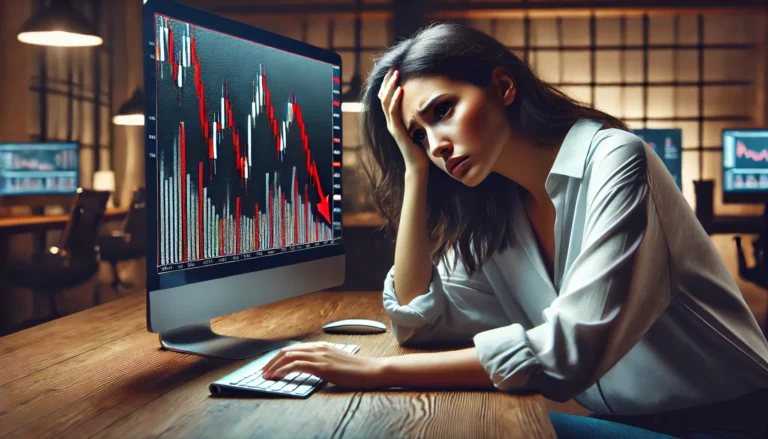
Closed Market Hours can create challenges in Forex trading, but understanding and preparing for them can lead to better trading outcomes.
Closed Market Hours can feel like a dark cloud hanging over Forex traders. Imagine you’re ready to make a move, but the market is closed. Frustrating, right? This situation is common in the Forex world, where traders, both beginners and pros, often find themselves caught off guard. It’s vital to comprehend this issue because it can significantly affect your trading strategy.
Many traders struggle with Closed Market Hours because they can lead to missed opportunities and unexpected losses. For beginners, the concept might seem complicated, while experienced traders may overlook it in their rush to trade. Understanding Closed Market Hours is essential for avoiding pitfalls and making informed decisions in Forex trading.
One common issue traders face is the Delayed Profit Calculation. This problem can arise during Closed Market Hours, making it difficult to gauge how much profit you’ve actually made.
Understanding the Problem
Closed Market Hours refer to periods when the Forex market is not open for trading. This can happen on weekends or during holidays. When the market closes, traders can’t execute trades or respond to market changes. This situation can lead to significant losses if a trader is unprepared.
For example, let’s say you believe the Euro will strengthen against the US Dollar. You plan to buy Euros on Friday. However, if unexpected news comes out over the weekend that impacts the Euro, you can’t react until the market opens on Monday. This delay can cost you money. Understanding how and why Closed Market Hours affect trading is crucial for developing a solid strategy.
Solutions for Closed Market Hours
To tackle the issue of Closed Market Hours, here are some practical steps:
Step 1: Plan Ahead
Always check the Forex market hours for your trading pairs. Knowing when the market is open and closed will help you avoid surprises.
Step 2: Set Alerts
Use your trading platform to set alerts for significant market changes. This way, even if the market is closed, you’ll be notified and can act quickly when it opens.
Step 3: Use Limit Orders
Consider using limit orders. These allow you to set the price at which you want to buy or sell. If the market reaches your desired price when it reopens, your order will automatically execute.
Step 4: Diversify Your Trading Strategy
Don’t rely solely on one trading strategy. Having a mix of short-term and long-term strategies can help you navigate Closed Market Hours better. For example, holding onto long-term positions can minimize the impact of short-term closures.
Step 5: Stay Informed
Follow economic news that may impact your trades. Understanding market trends can help you anticipate changes and adjust your strategy accordingly.
Pro Tips & Warnings
- Monitor Global Events: Be aware of global events that could affect the market, especially during closed hours.
- Risk Management: Always implement risk management strategies to protect your investment.
- Test Your Strategies: Use demo accounts to test how your strategies perform around Closed Market Hours.
Additionally, the meaning of relative strength index can help you analyze market conditions better.
Frequently Asked Questions
How do I detect this issue in real-time?
Detecting Closed Market Hours is simple. Most trading platforms display market hours for each currency pair. Additionally, you can set alerts to notify you when the market opens and closes.
Can brokers legally do this?
Yes, brokers must adhere to market regulations, which include closing during specific hours. However, it’s essential to choose a reliable broker that respects these hours.
What tools can I use to prevent this?
Many trading platforms offer tools like alerts, limit orders, and market analysis features to help you navigate Closed Market Hours effectively.
Is this problem more common in specific market conditions?
Yes, Closed Market Hours can have a more significant impact during high volatility events, such as economic announcements or geopolitical events. Being aware of these conditions can help you prepare better.
Conclusion
Understanding Closed Market Hours is vital for successful Forex trading. By planning ahead and using the right tools, you can manage or even avoid the challenges that come with closed trading periods. Stay informed and keep improving your strategies to thrive in the Forex market.
Trading can be a rollercoaster, but with the right knowledge and strategies, you can ride it successfully. Keep learning and stay engaged!
Recommended Next Steps
To further enhance your understanding of Closed Market Hours, consider the following steps:
- Review your trading strategies regularly.
- Stay updated with market news and trends.
- Engage with Forex trading communities for shared insights.
- Utilize demo accounts to practice your strategies without risk.
By following these steps, you’ll be better equipped to handle the challenges posed by Closed Market Hours.
Want to build a solid foundation in forex? Here’s a recommended read Trading Point (XM), Investing.com
Expand Your Knowledge
- 📌 Forex Trading Learning Road Map
- 📌 Forex Trading Course with no Fees
- 📌 Forex Trading Issues, Problems, and Solutions
- 📌 Forex Daily Forecast & Live Updates
- 📌 Forex Fundamental & News Analysis: Tomorrow’s Market Movers & Trade Opportunities
- 📌 Forex Education Hub: Learn & Profit
- 📌 Forex Technical Analysis, Indicators & EA’s
Start Trading Today
Ready to take your forex trading to the next level? Open an account with Exness, one of the most trusted platforms in the industry. 👉 Sign Up Now and trade with confidence!
My recommended broker stands out with ultra-low spreads for beginners, instant withdrawals, and zero spread accounts for pro traders.
Trusted since 2008, lightning-fast execution, no hidden fees, and a secure, transparent trading environment—giving you the edge you need to succeed. 🚀
YouTube Video Library: Related Videos
Note: The video above is embedded from YouTube and is the property of its original creator. We do not own or take responsibility for the content or opinions expressed in the video.