Authentication Errors can disrupt your Forex trading experience, but understanding and addressing them can lead to smoother trading days ahead.
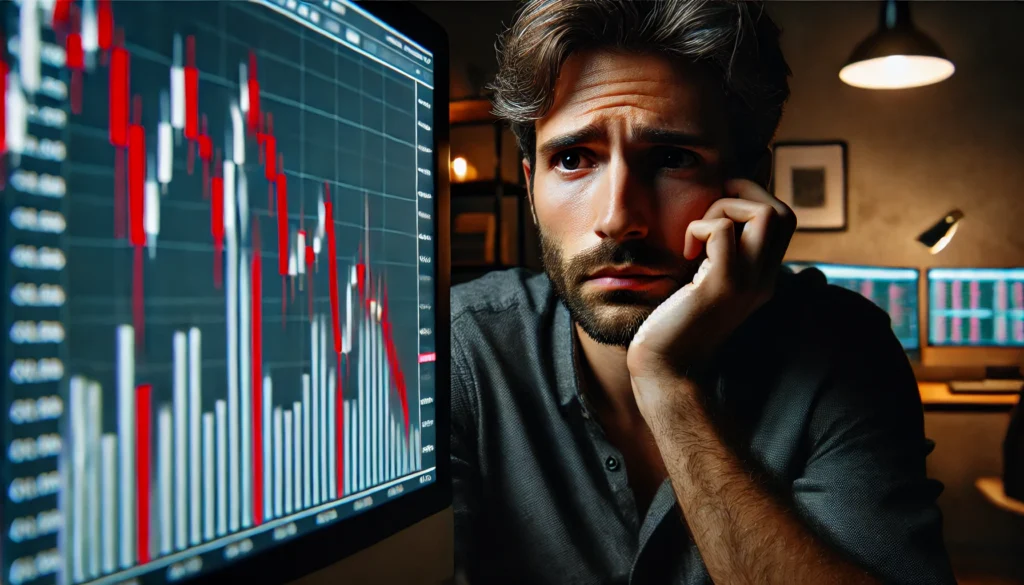
In the world of Forex trading, few things can be as frustrating as Authentication Errors. These errors can prevent traders from accessing their accounts, executing trades, or even viewing their performance. Imagine waking up early, eager to seize a trading opportunity, only to be met with the dreaded authentication message. It can feel like a wall blocking your path to profit.
Both beginners and experienced traders face this issue. For newbies, it can be confusing and disheartening, while professionals may lose valuable trades due to sudden authentication failures. Understanding and resolving these errors is crucial for anyone serious about trading. If you want to dive deeper into the Forex world, check out this article about forex new.
Understanding the Problem
Authentication Errors occur when a trader’s login information is incorrect, or there is a problem with the trading platform. It can happen due to simple mistakes, like typing the wrong password. But sometimes, it can be due to a technical issue on the broker’s side or even an internet connection problem.
Imagine this: You’re ready to buy a currency pair as the market is moving in your favor. You enter your username and password, but the system denies you access. This could be due to a server issue at your broker, leading to authentication errors. Such experiences can lead to missed opportunities and financial losses, making it crucial to understand this problem.
Solutions for Authentication Errors
Now, let’s explore how to deal with Authentication Errors effectively. Here are some step-by-step solutions to help you resolve these issues and avoid them in the future.
Step 1: Check Your Credentials
Ensure you are entering the correct username and password. It’s easy to make a typo. If you can’t remember your password, most platforms have a “Forgot Password?” feature. Use it to reset your credentials.
Step 2: Internet Connection
Your internet connection must be stable. If your connection is weak or drops, it may cause authentication errors. Try resetting your router or switching to a wired connection.
Step 3: Clear Cache and Cookies
Sometimes, old data can cause issues. Clear your browser’s cache and cookies. This can refresh your session and resolve any conflicts.
Step 4: Update Your Trading Platform
Ensure your trading platform is up to date. Outdated software can lead to compatibility issues and authentication errors. Check for updates regularly.
Step 5: Contact Your Broker
If you continue to face problems, reach out to your broker’s customer service. They can assist you in diagnosing the issue and may provide a solution quickly.
Step 6: Use Two-Factor Authentication
Enable two-factor authentication (2FA) for additional security. This adds an extra layer of protection and can help prevent unauthorized access to your account.
Step 7: Stay Informed
Keep an eye on your broker’s announcements. Sometimes, they may have planned maintenance that can affect your ability to log in. Staying informed can help you avoid surprises.
For those interested in advanced trading strategies, check out this article on bollinger bands mean reversion.
Frequently Asked Questions
- How do I detect this issue in real-time?
You can detect authentication errors immediately when trying to log in to your trading account. If you see a message indicating incorrect credentials, that’s a sign. Also, if you experience a sudden inability to execute trades, it might be linked to authentication issues.
- Can brokers legally do this?
Yes, brokers may implement authentication protocols to protect your account. However, they must ensure their systems are reliable and that errors are minimized.
- What tools can I use to prevent this?
Using password managers can help securely store and autofill your credentials. Additionally, maintaining a stable internet connection and keeping your software updated are essential practices.
- Is this problem more common in specific market conditions?
Authentication errors can occur during high volatility periods when many traders access their accounts simultaneously. This can overload servers and lead to errors.
Conclusion
Authentication Errors can be a significant hurdle in Forex trading, but with the right knowledge, you can manage and avoid these issues. Stay vigilant, keep your credentials secure, and always stay informed about your trading environment.
User Engagement & Encouragement Stay proactive in your trading journey. Knowledge is your best ally against authentication errors. Engage with fellow traders and share your experiences!
Recommended Next Steps
To further protect yourself from authentication errors, consider these steps:
- Regularly update your login credentials.
- Use strong, unique passwords for each account.
- Enable two-factor authentication.
- Monitor your internet connection during trading times.
- Stay informed about your broker’s updates and maintenance schedules.
Looking to go beyond the basics? This resource offers deeper insights Investing.com, The Balance
Expand Your Knowledge
- 📌 Forex Trading Learning Road Map
- 📌 Forex Trading Course with no Fees
- 📌 Forex Trading Issues, Problems, and Solutions
- 📌 Forex Daily Forecast & Live Updates
- 📌 Forex Fundamental & News Analysis: Tomorrow’s Market Movers & Trade Opportunities
- 📌 Forex Education Hub: Learn & Profit
- 📌 Forex Technical Analysis, Indicators & EA’s
Start Trading Today
Ready to take your forex trading to the next level? Open an account with Exness, one of the most trusted platforms in the industry. 👉 Sign Up Now and trade with confidence!
My recommended broker stands out with ultra-low spreads for beginners, instant withdrawals, and zero spread accounts for pro traders.
Trusted since 2008, lightning-fast execution, no hidden fees, and a secure, transparent trading environment—giving you the edge you need to succeed. 🚀
YouTube Video Library: Related Videos
Note: The video above is embedded from YouTube and is the property of its original creator. We do not own or take responsibility for the content or opinions expressed in the video.